The Middle East once again finds itself at the center of a geopolitical storm as widespread protests in Iran against economic hardship and political repression have triggered a forceful response from Tehran’s authorities. The situation, already tense and violent, has drawn the attention of the United States — with President Donald Trump publicly acknowledging that Washington is weighing a range of military options in response to the crisis.
Over the past two weeks, demonstrations sparked by economic grievances have grown into a major anti-government movement across Iran’s cities. Reports from rights groups indicate that hundreds of protesters have lost their lives, with thousands more detained. These figures underscore both the intensity of the unrest and the severity of the government’s crackdown. The escalating toll has put global pressure on Iran and drawn intense scrutiny from world powers.
President Trump has stated that his administration is considering “very strong options” to respond to the turmoil. While Trump’s exact words left some ambiguity, the phrasing pointed toward potential military responses alongside non-military measures. U.S. officials have described ongoing discussions involving senior defense and national security advisors, reviewing various courses of action. These military options are being considered against the backdrop of surging casualties and fears that the crackdown could deepen regional instability.
However, it’s important to note that no definitive decision has been made on launching any direct military strike. What is clear is that the United States is not limiting its thinking to military strikes alone. Strategic options such as cyber operations targeting Iran’s communications and security infrastructure, expanded economic sanctions, and covert support for dissident networks are also part of the deliberations. Officials are reportedly exploring measures that could pressure the Iranian leadership while seeking to protect broader regional stability.
The growing unrest has also sparked guarded diplomatic signaling. Tehran has communicated a willingness to engage in negotiations over some issues, even as Iranian leaders warn that any external intervention could provoke significant retaliation. Iran’s parliament and other voices within the country have made it clear that attacks on sovereign soil could trigger responses targeting U.S. and allied interests.
This complex backdrop illustrates the precarious nature of Washington’s strategic choices. Military action, even limited in scope, carries high risks — not only for Iranian civilians but also for broader regional security. A direct U.S. strike could inflame nationalist sentiment within Iran and rally domestic and regional supporters against what the government would portray as foreign interference. Furthermore, there’s a real possibility that such action could escalate into wider conflict, drawing in allies and proxy forces from across the Middle East.
Political analysts stress that the situation’s volatility makes any rush to military engagement highly risky. Instead, they argue, careful calibration of pressure — combining diplomatic engagement, economic leverage, and support for human rights — may offer a more balanced path. Even as discussions inside the White House continue, the broader international community is urging restraint and dialogue, emphasizing that civilian protection must remain a top priority.
The United States finds itself at a delicate crossroads. With internal debates over foreign policy and public opinion factors at play, the unfolding events in Iran present a complicated challenge. Whether the U.S. ultimately decides on robust military measures or opts for a broader strategy that blends pressure with diplomacy, the world is watching closely as tensions rise in one of the globe’s most historically charged regions.
Summary of key dynamics:
Iran is experiencing major unrest and protests leading to significant casualties.
The Trump administration is publicly weighing a spectrum of responses, including military and non-military options.
No final military action has been authorized, and discussions continue amid warnings from Iran.
Regional stability and civilian protection remain central concerns in U.S. deliberations.
Related posts:

Golden Globes 2026 celebrated outstanding films, TV series, and performances, highlighting global storytelling, fresh talent, and cinematic excellence.
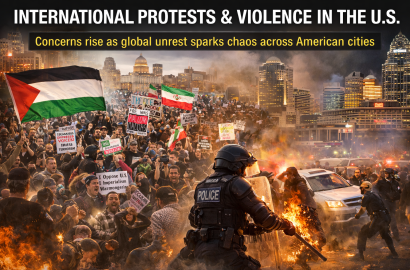
International protests linked to global conflicts spark demonstrations and isolated violence across U.S. cities, raising concerns over public safety and stability.
 🏆 Golden Globes 2026 Winners: A Night That Redefined Global Entertainment
 International Protests and Rising Violence Highlight Growing Unrest in the United States
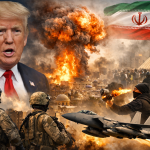 US Weighs Military Options as Iran Unrest Deepens: A Delicate Global Crossroads
 CES 2026: Robots, AI Chips, and Autonomous Tech Define the Future of Innovation
 Digital Detox in 2026: Why Mindful Tech Use Is Becoming a Lifestyle Choice